

Agro Farming Project
Agriculture Project DPR Consultant in Uttar Pradesh
Develop an agriculture project plan covering land preparation, seed selection, sowing, irrigation, nutrition, crop protection, harvesting, grading, storage, and dispatch.
Seasonal farm routine
Agro farming becomes stronger when every crop stage is planned before the season starts.
An agriculture project moves through soil work, crop establishment, irrigation, protection, harvest, and post-harvest flow in one connected seasonal cycle.
Prepare the land
Clean the plot, test soil, level the field, improve drainage, and prepare beds or rows for the crop.
Seed and spacing plan
Select the right seed or sapling, follow crop spacing, and plan sowing dates around weather and water.
Water and nutrition
Schedule irrigation, apply nutrients at the right stage, and monitor plant growth regularly.
Grade and dispatch
Harvest at maturity, sort produce, reduce damage, and move crops safely to buyers or storage.
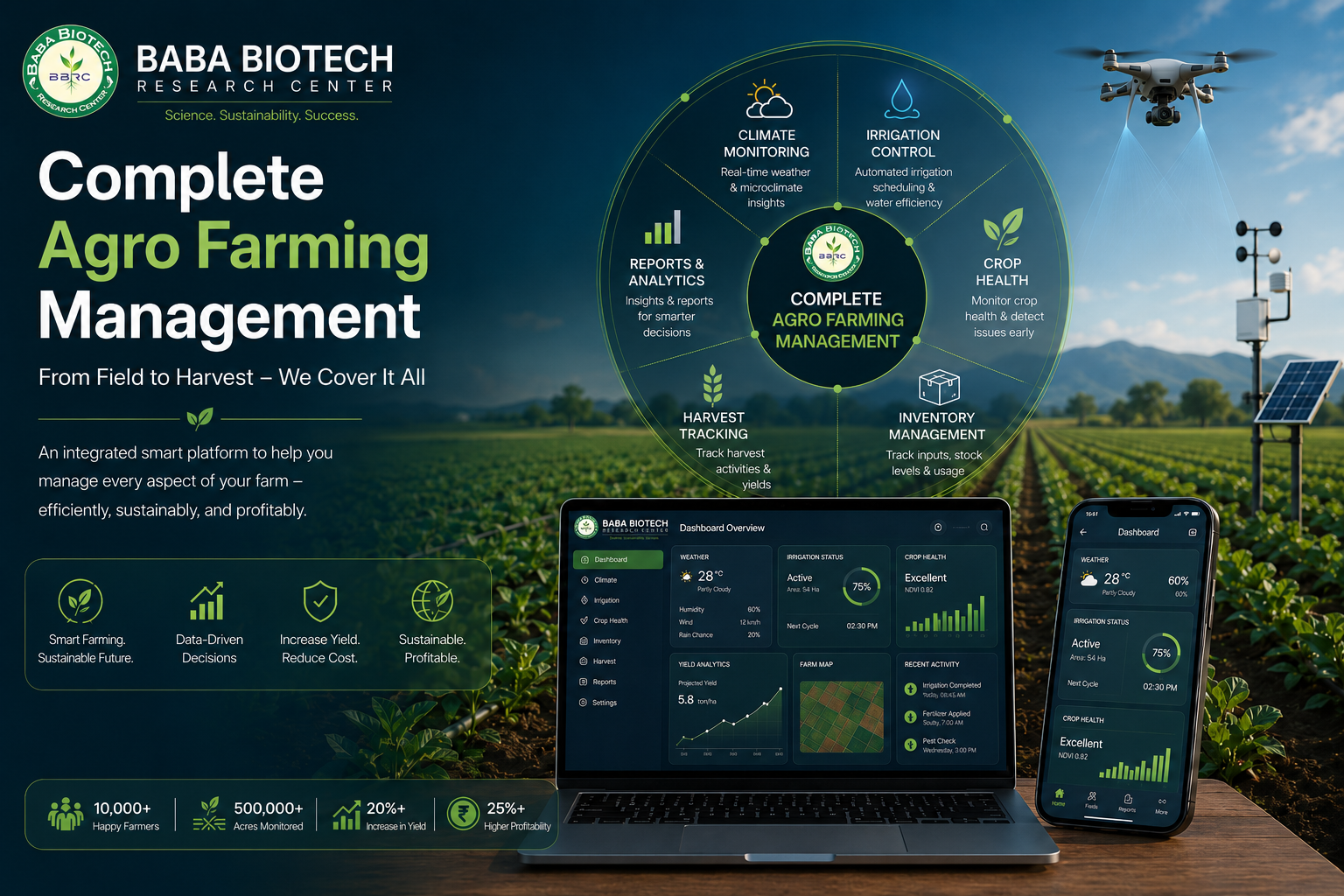
Field crop management
Strong agro projects connect soil, water, crop care, machinery, and market timing.
Agro farming is a complete field operation. The page now presents the practical work visitors expect to see: field readiness, crop planning, irrigation, nutrition, pest monitoring, harvesting, and produce handling.
- Soil preparation, field leveling, drainage, and crop-wise bed layout
- Seed selection, sowing plan, irrigation schedule, and nutrition support
- Crop protection, harvest timing, grading, storage, and dispatch planning
Crop flow
From prepared field to clean harvest
A practical agro project follows the field cycle: prepare, plant, irrigate, protect, harvest, and move the crop without avoidable loss.
Prepare soil
Clear residue, improve soil condition, apply organic matter, and create a clean planting surface.
Plant correctly
Use proper row spacing, seed depth, seed rate, and planting time for uniform crop growth.
Protect the crop
Monitor weeds, pests, disease signs, moisture stress, and nutrient deficiency during growth.
Handle harvest
Harvest at the right maturity, grade produce, reduce bruising, and plan quick movement to market.
Crop quality
Better field discipline creates stronger yield and cleaner produce.
A professional agro farming plan protects crop quality through soil health, water timing, weed control, pest monitoring, and post-harvest handling.
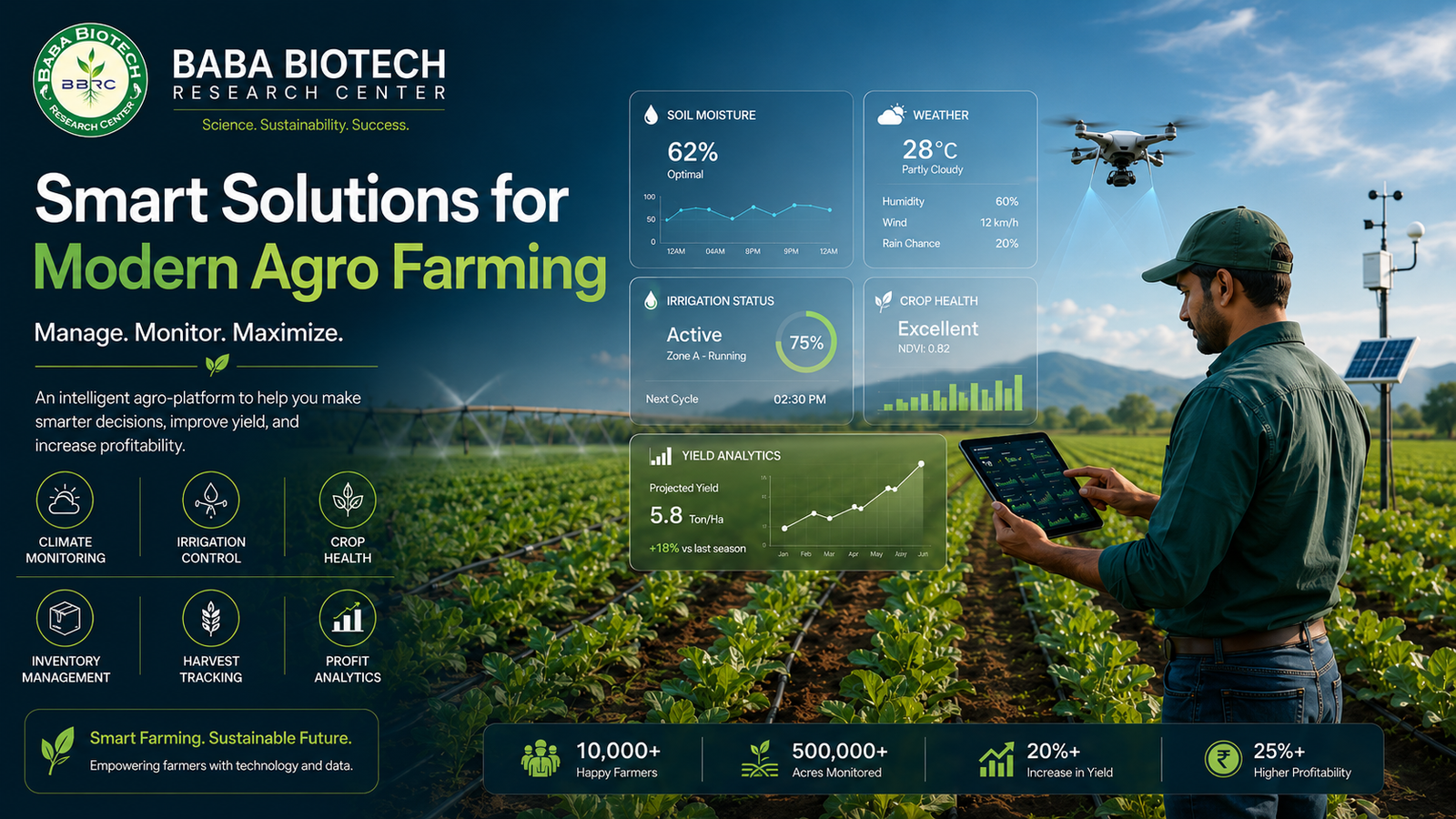
Agro support areas
Photos that explain the field farming process
Each image supports a real part of agro farming, from land preparation and field care to irrigation, crop protection, harvesting, and dispatch.
A planned field layout helps crop work move smoothly from sowing to harvest.
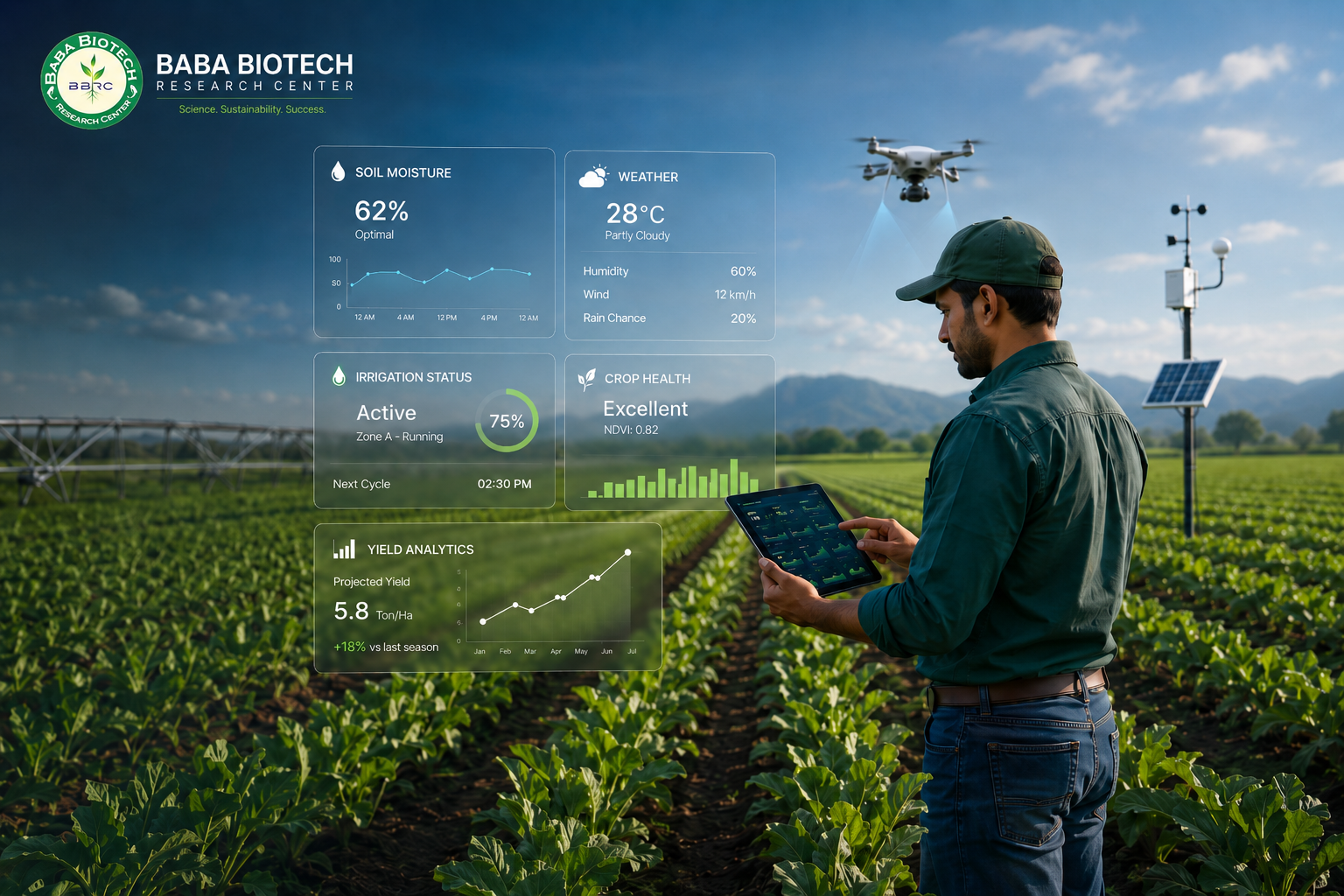
Soil preparation, bed layout, and drainage set the foundation for healthy crop growth.
Correct seed spacing, sowing time, and early care improve uniformity in the field.
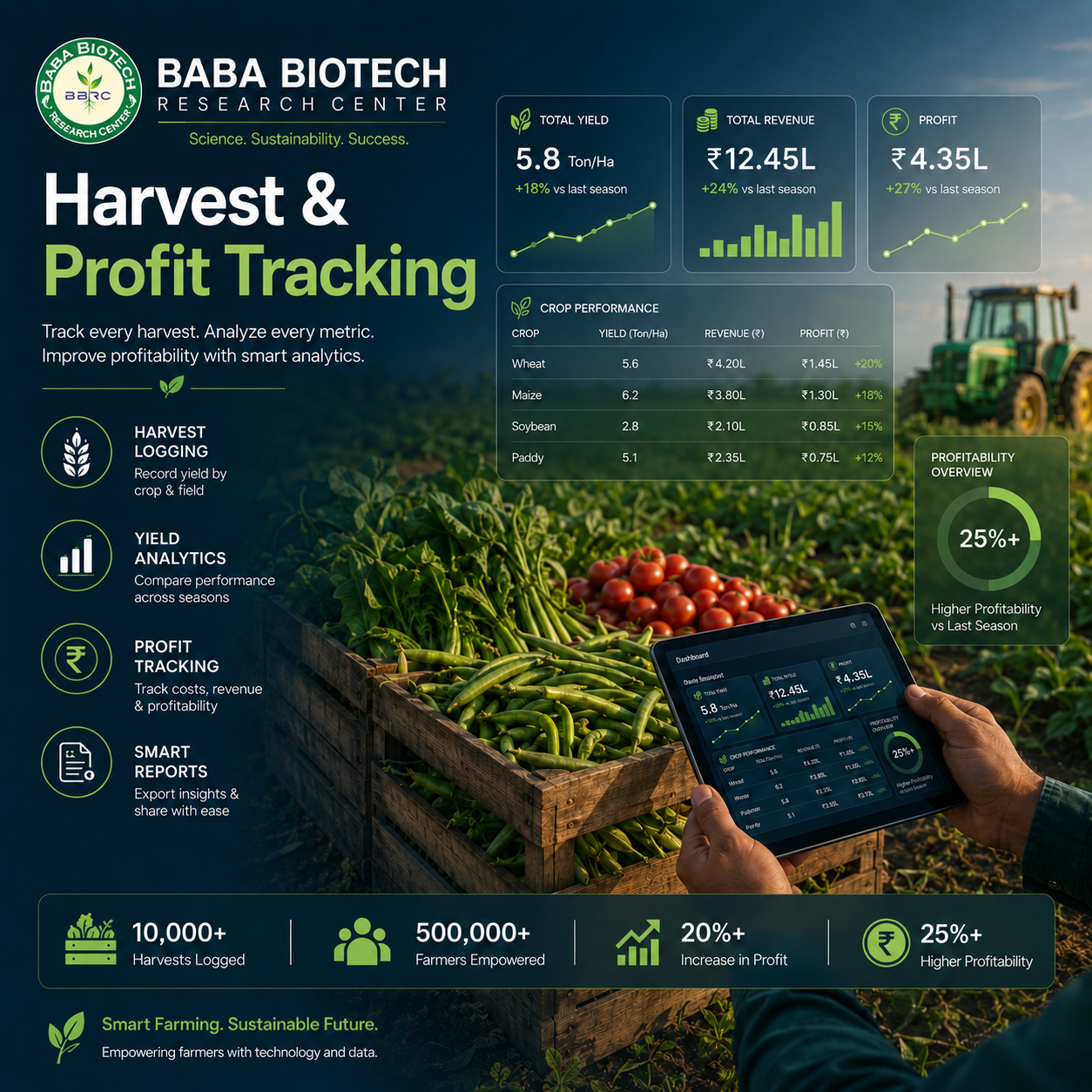
Water and nutrients should be managed stage by stage so plants stay strong.
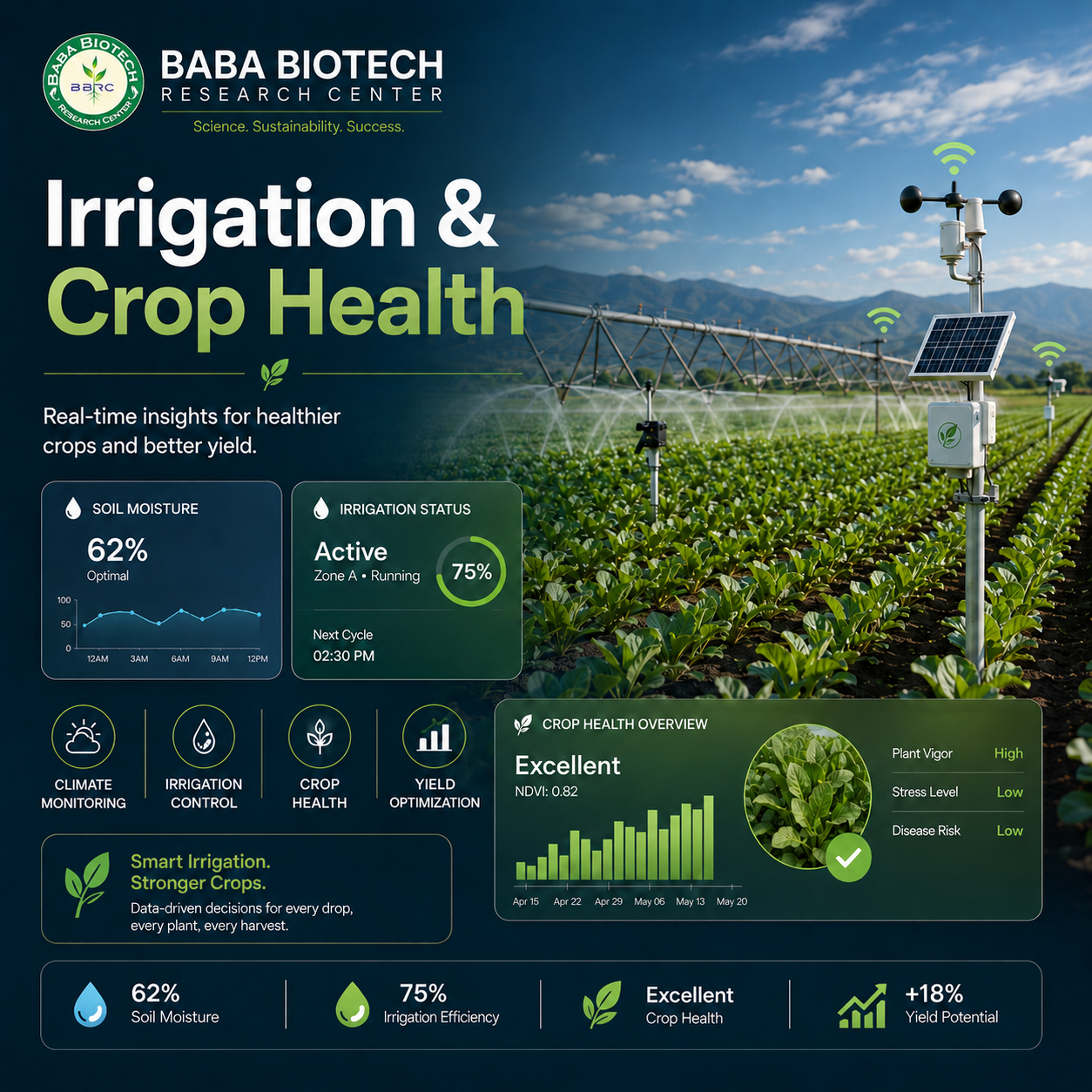
Regular observation helps identify weeds, pests, diseases, and stress before losses grow.
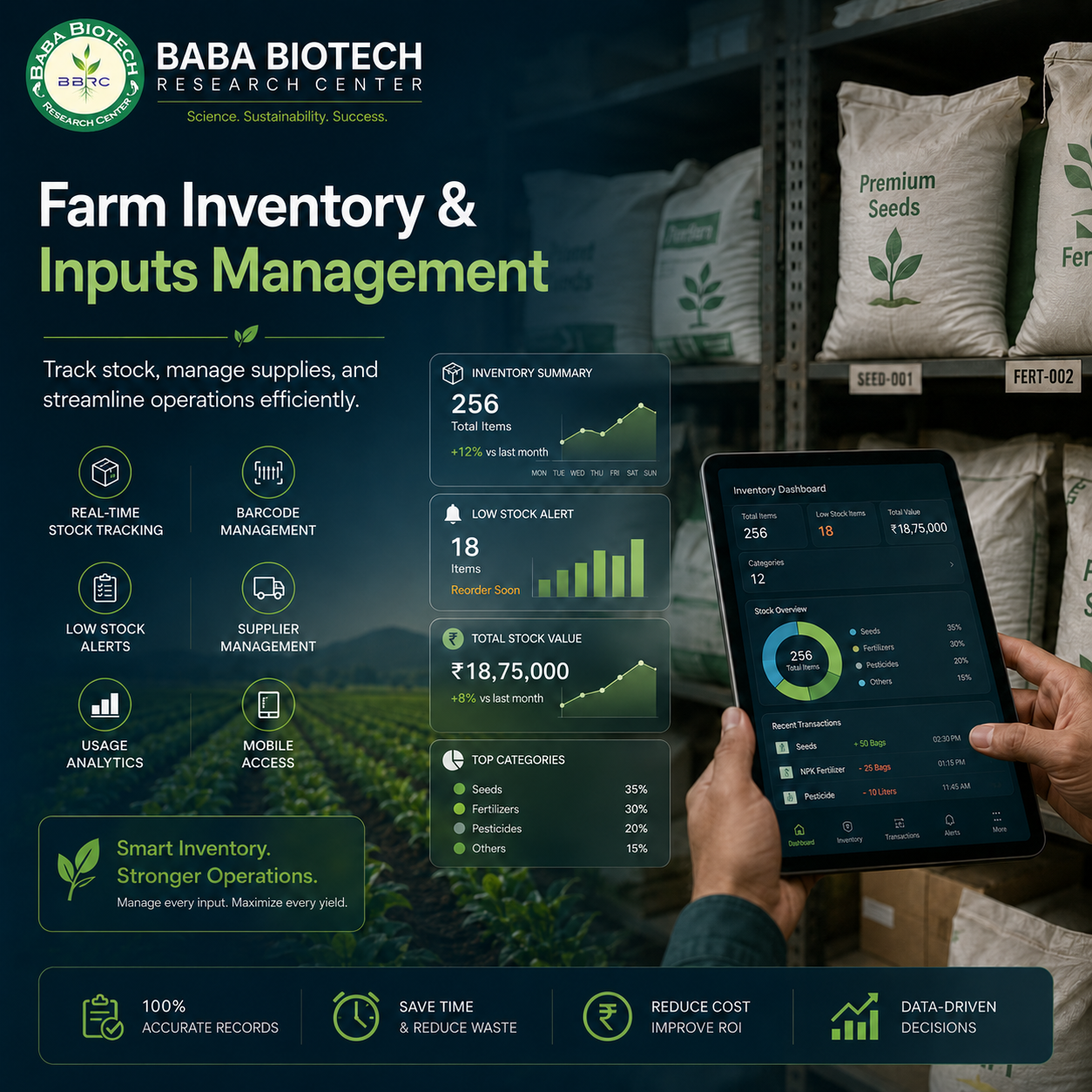
Good harvesting, grading, and transport protect the crop value after production.
Farm layout
Agro zones visitors should understand
A credible agro project page should explain where field preparation, irrigation, crop monitoring, storage, and dispatch fit inside the farm.
Field preparation zone
Soil work, leveling, bed formation, drainage, seed planning, and crop-specific spacing.
Crop growth zone
Irrigation, nutrition, weed control, pest checks, disease monitoring, and growth records.
Harvest and dispatch zone
Harvest collection, sorting, grading, temporary shade, packing, loading, and market movement.
Agro project enquiry
Plan an agro farming project with the right land, water, crop, and harvest flow.
Use the contact page to discuss land area, crop choice, irrigation setup, seasonal planning, input requirements, and market supply targets.