
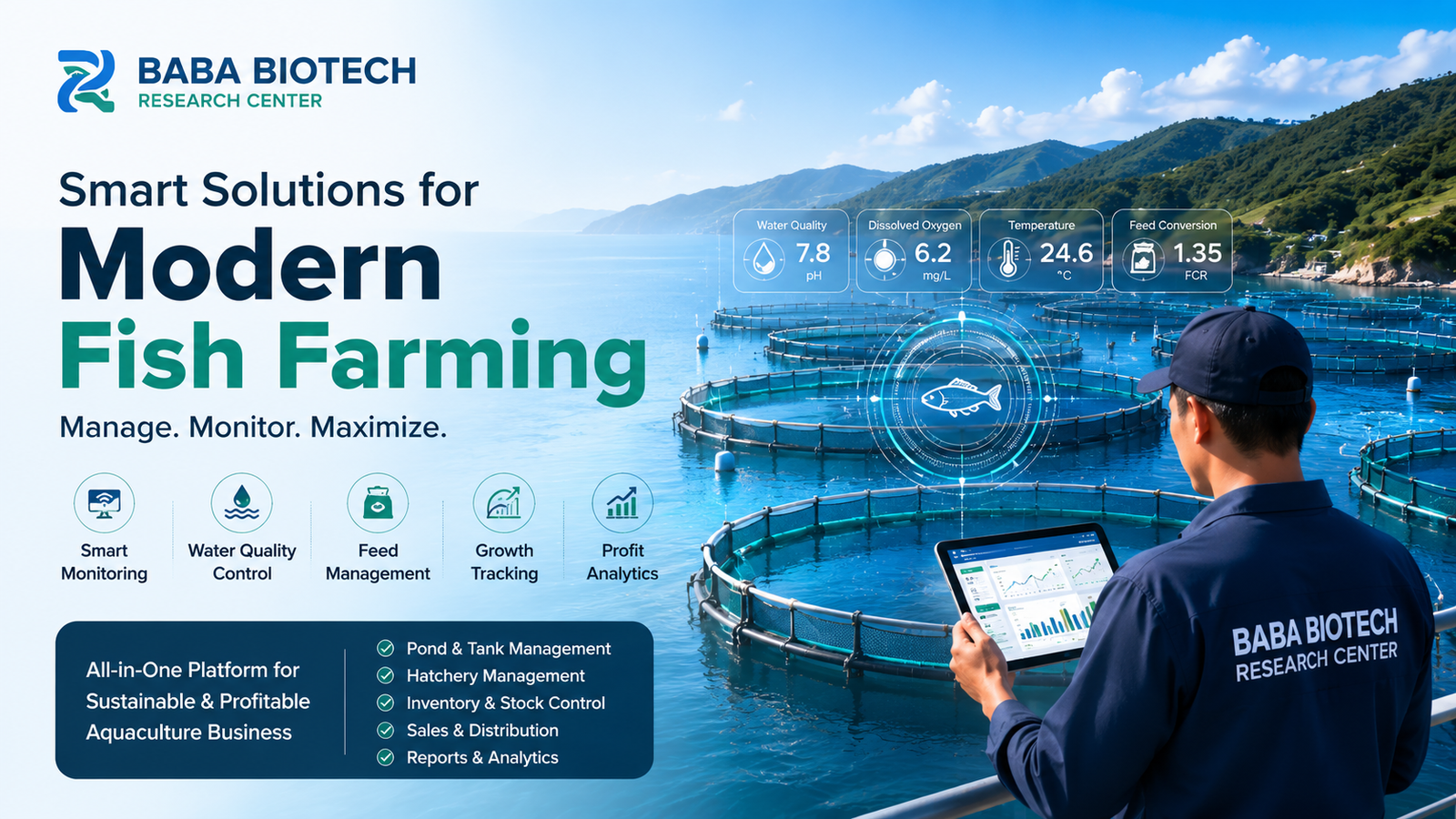
Fish Farming
Fish Farming Project Setup Cost in Uttar Pradesh
Build a realistic fish farming plan around pond preparation, water source, seed stocking, feeding schedules, harvest planning, and the capacity details needed for a project report.
Daily pond routine
Fish growth depends on regular water, feed, and stock monitoring.
The page explains the practical rhythm of a fish farming unit, from pond inspection to feeding and harvest readiness.
Water and pond check
Inspect water color, oxygen condition, inlet, outlet, pond edges, and fish movement before feeding.
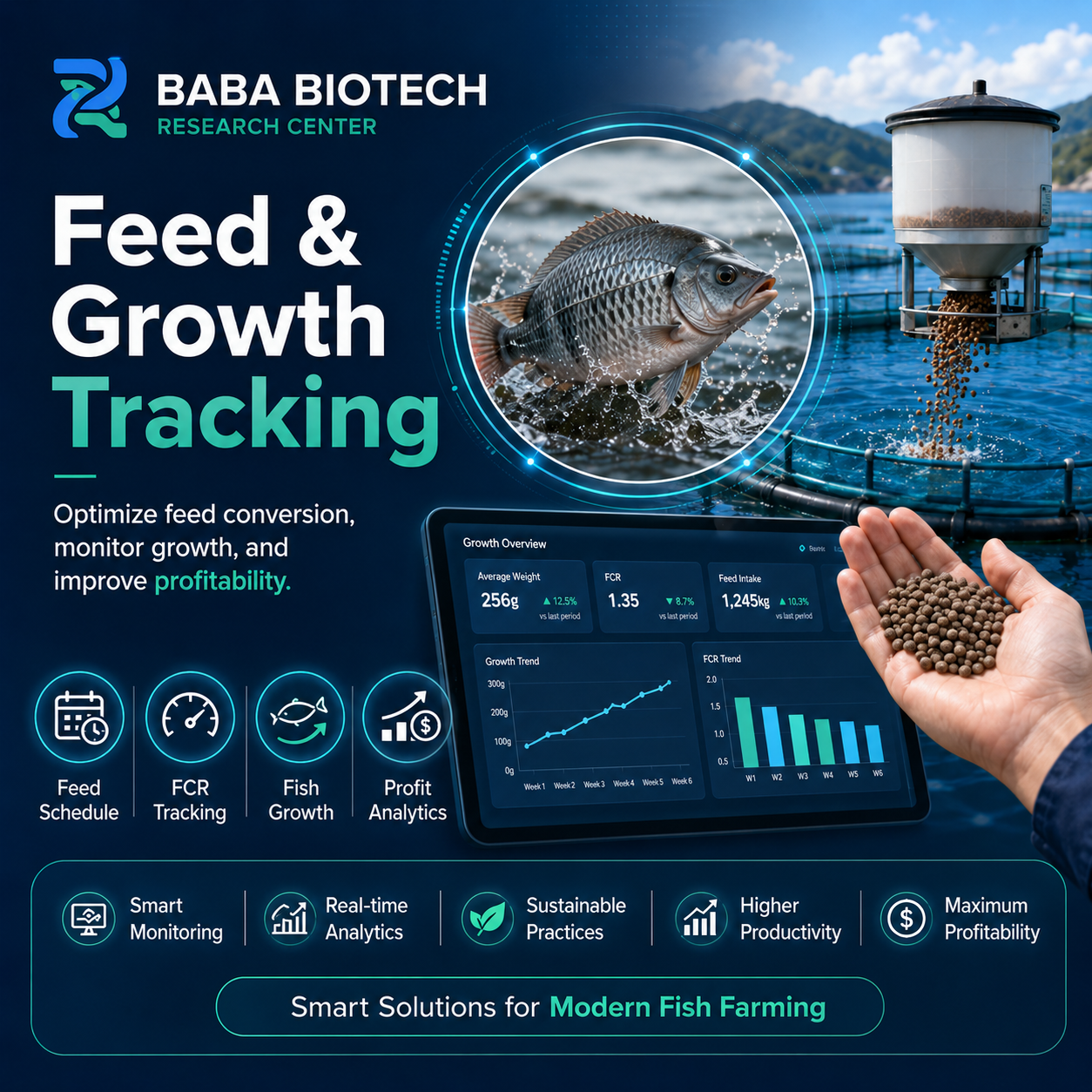
Controlled feed schedule
Give feed based on fish size, stock density, season, and observed consumption in the pond.
Stock observation
Watch growth, activity, disease signs, mortality, and water stress so issues can be handled early.
Market-ready planning
Plan grading, netting, transport containers, ice, and buyer timing before harvest day.
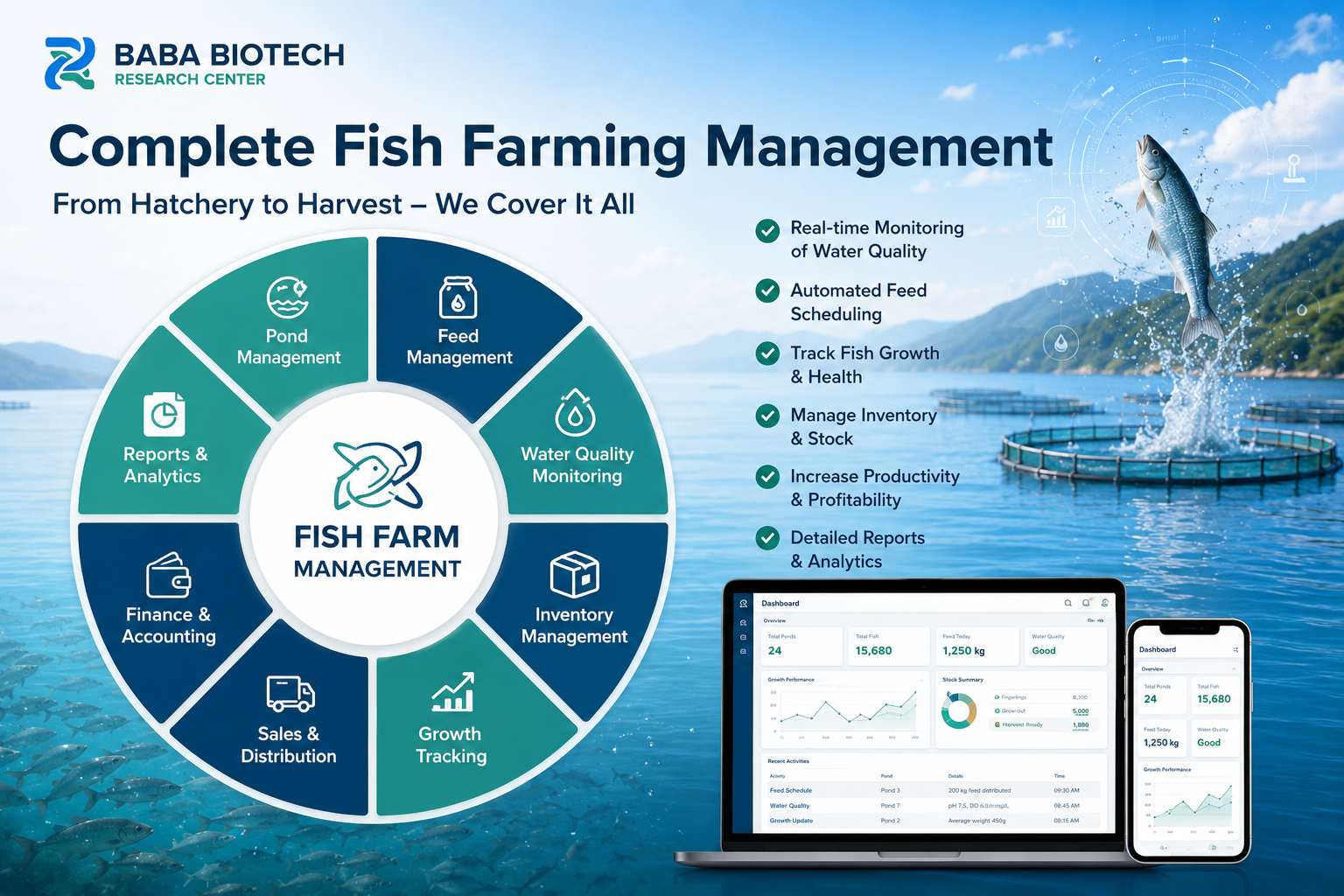
Aquaculture planning
Pond design, fish seed, feeding, and harvest strategy in one flow.
A productive fish farm needs the right pond depth, clean water exchange, quality fish seed, suitable feed, and a harvest plan that protects fish value until it reaches the market.
- Pond cleaning, liming, inlet control, and water preparation
- Fish seed selection, stocking density, and species planning
- Feed management, growth sampling, and harvest scheduling
Production flow
From pond preparation to market delivery
A practical fish farming plan follows the operating flow that drives results: prepare the pond, stock healthy fish, manage growth, and harvest cleanly.
Prepare pond
Clean the pond, check water source, improve the base, and prepare the environment before stocking.
Stock seed
Use healthy fingerlings, correct density, and gradual release methods to reduce stress.
Manage growth
Track feeding, water quality, sampling weight, and disease prevention through the culture period.
Harvest and sell
Use nets, clean containers, ice support, grading, and buyer coordination to protect quality.
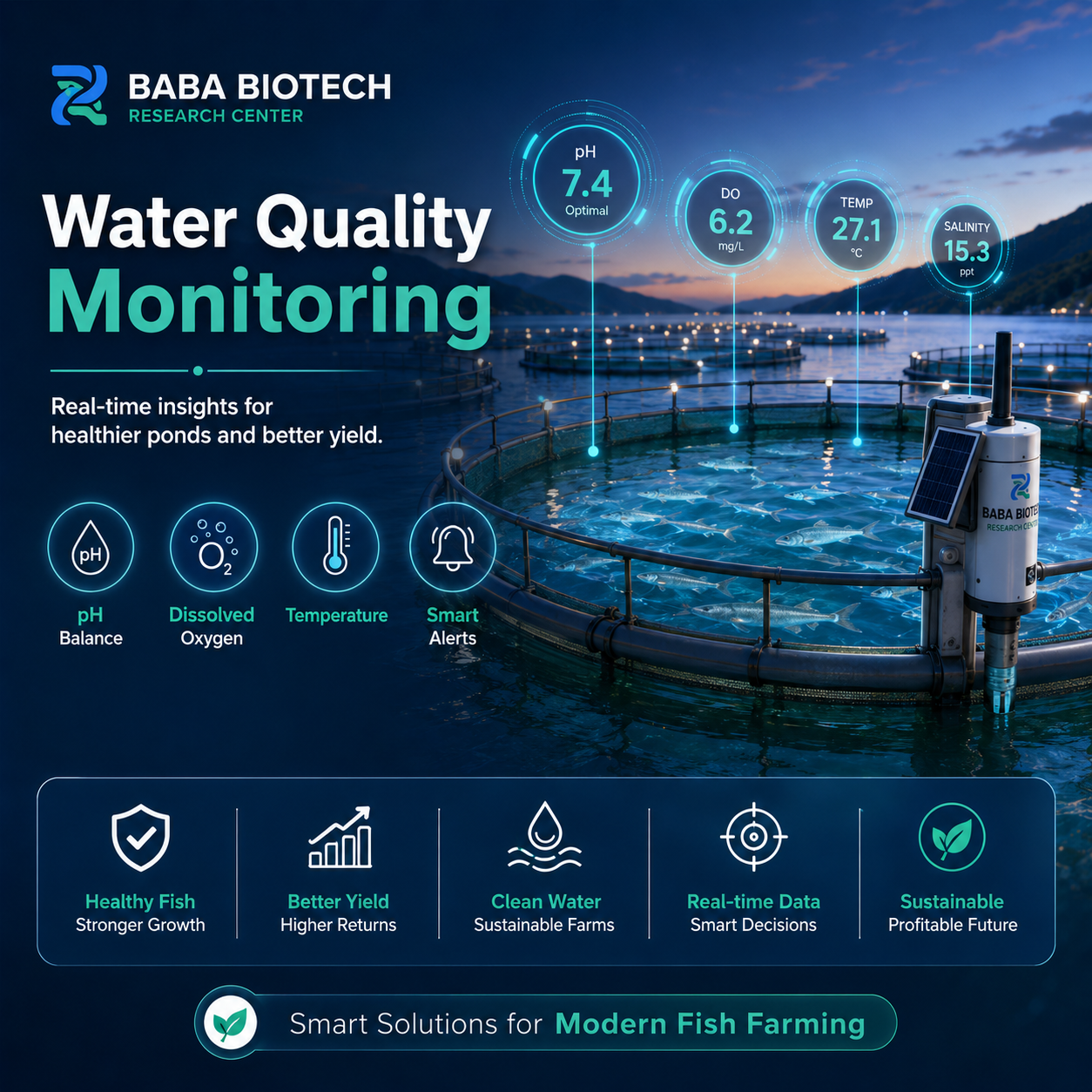
Water quality
Clean water is the main production asset in fish farming.
A well-designed fish farming project treats water observation and management as daily controls. Oxygen, pH, water color, feed waste, and pond hygiene all affect fish health and growth.
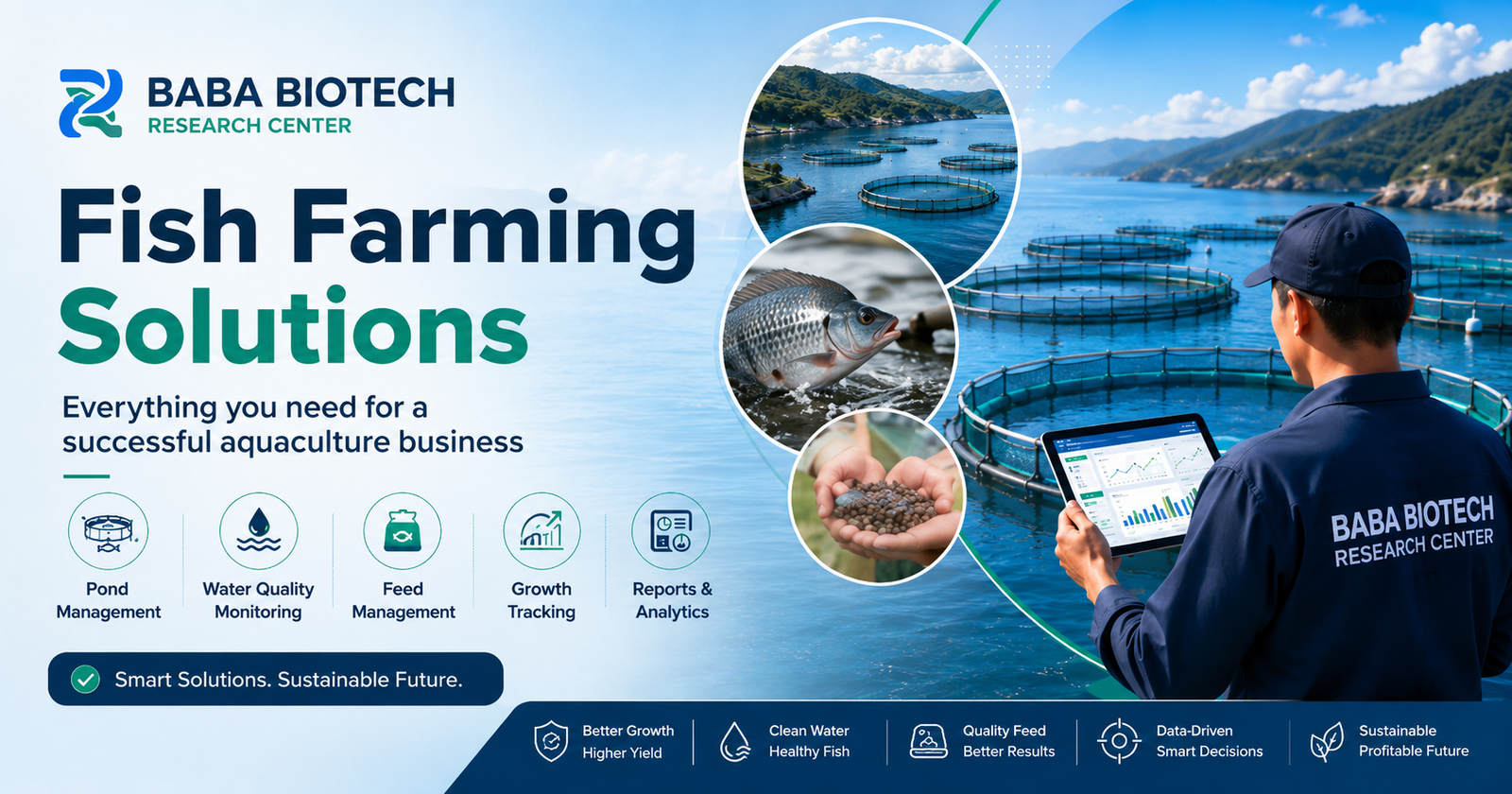
Fish farming support areas
Photos that explain the aquaculture process
Each image supports a real part of fish farming, from pond readiness to feed management, water checks, and harvest planning.
A well-prepared pond gives fish enough space, oxygen, and water quality for healthy growth.
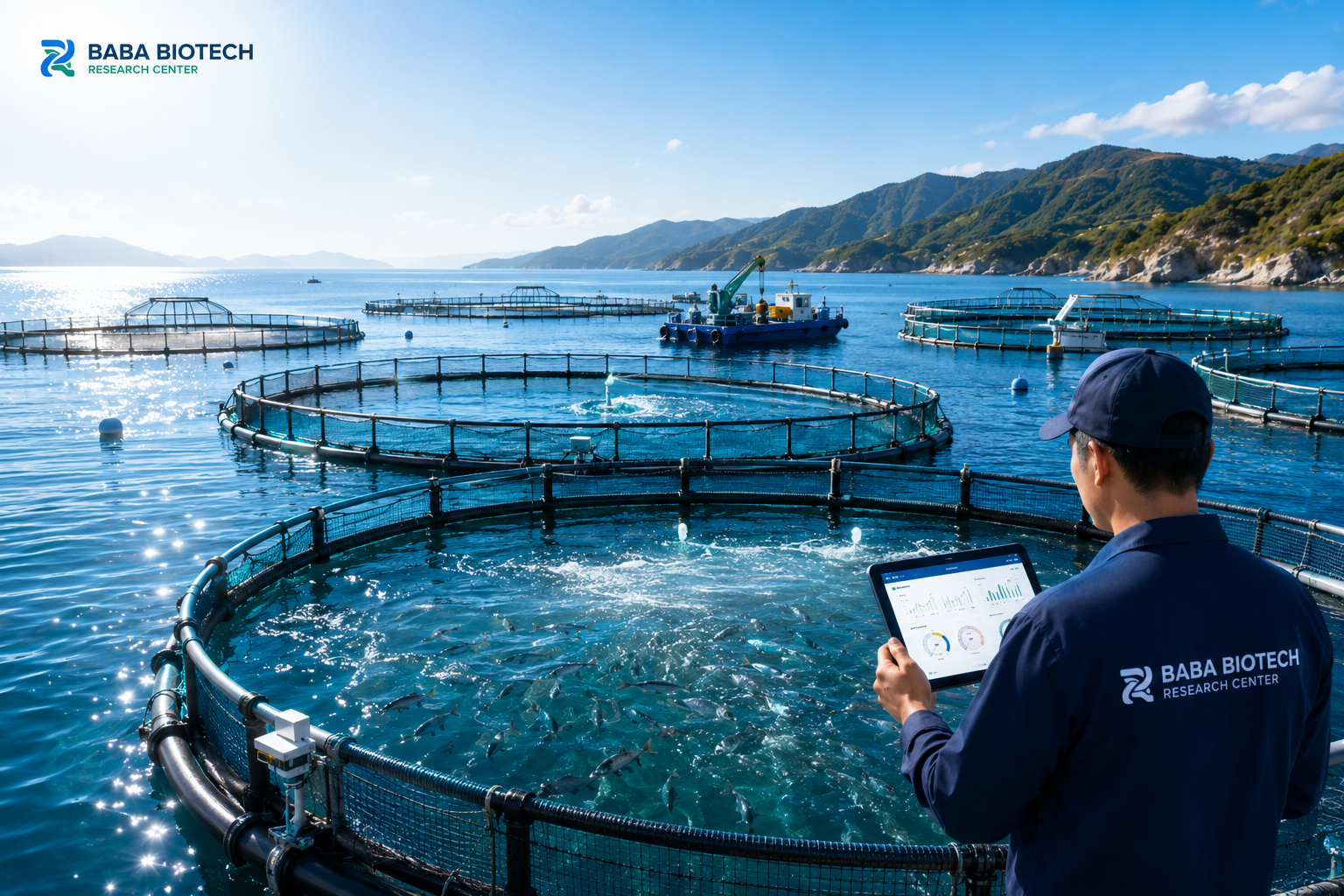
Regular checks help control water color, oxygen stress, unwanted growth, and feed waste.
Feed timing, fish size checks, and stock observation support better growth and lower loss.
Healthy fingerlings and correct density help the pond begin with stronger survival potential.
Sampling weight and buyer timing help decide the right harvest window for better returns.
Proper netting, containers, and transport planning protect fish quality after harvest.
Farm layout
Fish farming zones visitors should understand
A strong fish farming page should explain the pond, water movement, feed area, harvest point, and storage/transport space clearly.
Pond and water source
Pond depth, inlet, outlet, water exchange, bund strength, and drainage planning.
Feed and storage area
Dry feed storage, feeding tools, daily feed records, and protection from moisture.
Harvest and dispatch point
Netting area, grading space, clean containers, ice support, weighing, and buyer pickup.
Fish farming enquiry
Plan an aquaculture unit with the right pond, water, feed, and harvest flow.
Use the contact page to discuss pond size, fish species, stocking plan, feed budget, water source, and harvest target.