
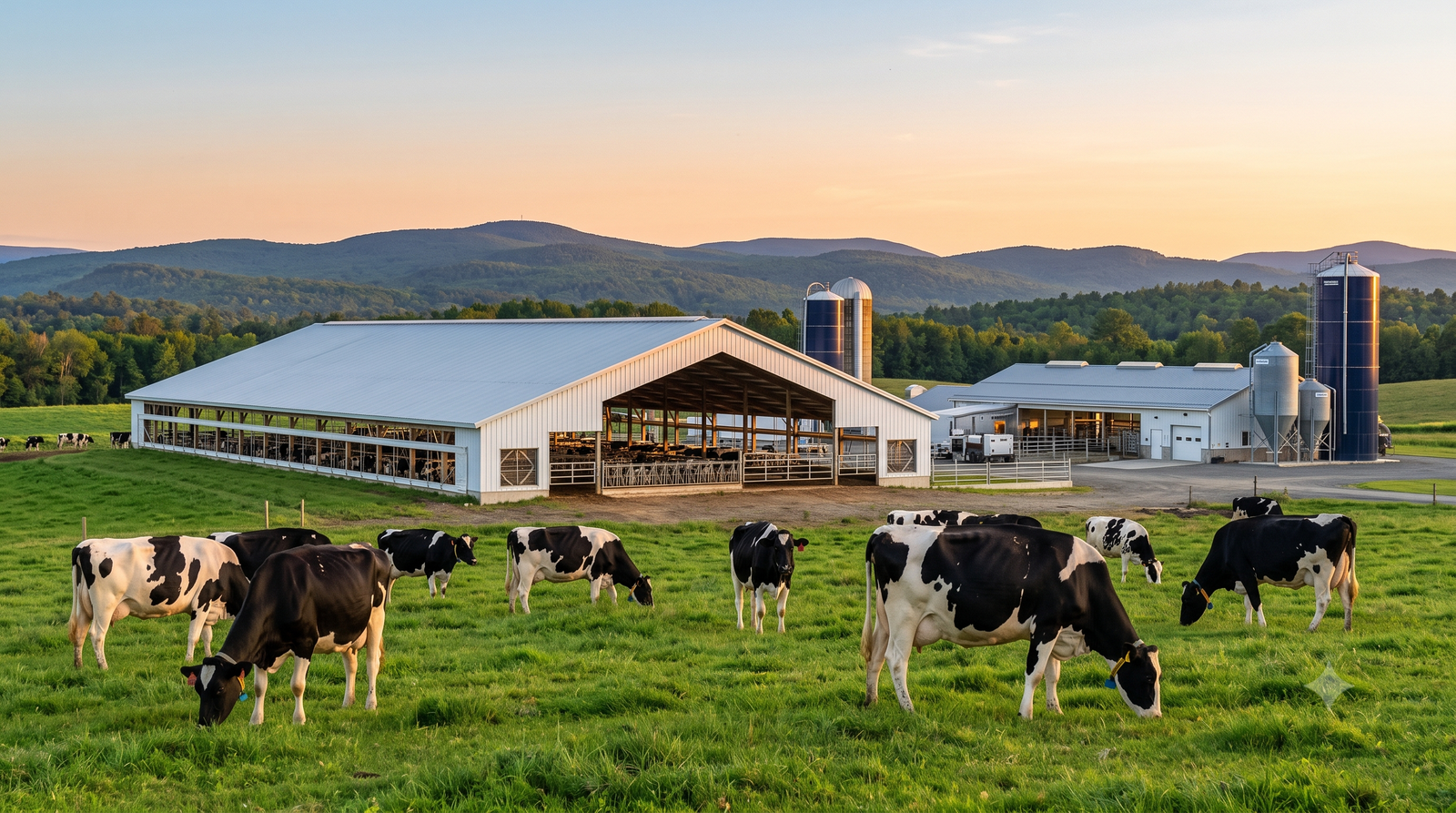
Dairy Farming
Dairy Farming Project Consultancy in Uttar Pradesh
Plan a dairy farming project with cattle-shed layout, herd capacity, feed systems, hygienic milking, chilling, and the practical information needed for a dairy farm project report.
Daily routine
A clear dairy schedule builds trust in the milk.
Visitors understand the project better when the page shows how the farm works from morning animal care to evening milk storage.
Shed cleaning and herd check
Remove waste, clean the resting area, check animal movement, and keep drinking water ready.
Fodder and mineral support
Serve green fodder, dry fodder, mineral mixture, and clean water according to the animal stage.
Hygienic milk collection
Clean the udder, use washed utensils, filter milk, and avoid unnecessary handling.
Cooling and dispatch
Shift milk quickly to a chilling area or clean storage before packing and delivery.
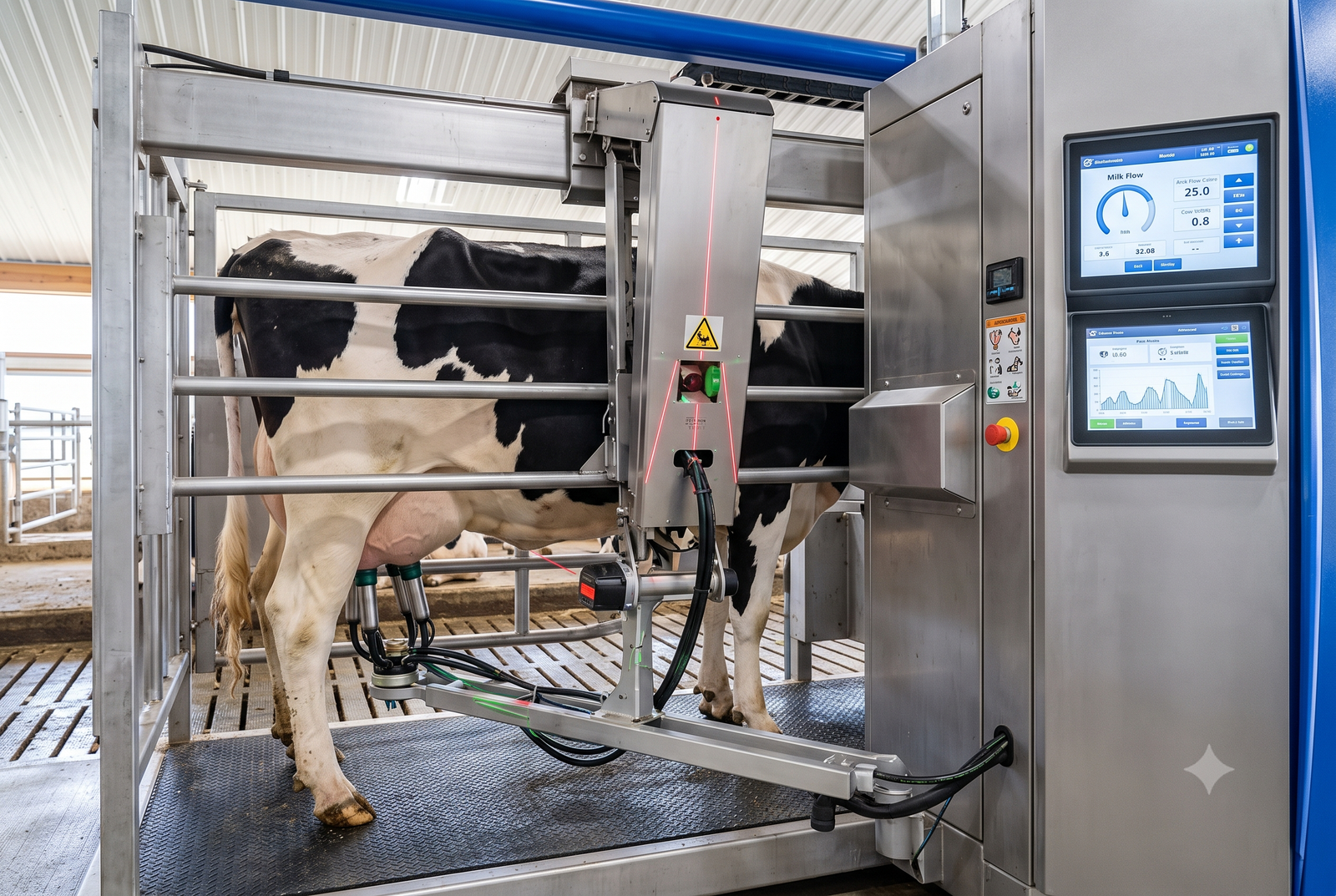
Daily dairy care
Animal comfort, feed discipline, and milk hygiene working together.
A strong dairy farm depends on well-ventilated sheds, dry bedding, clean water, balanced fodder, and a predictable milking schedule. This section can describe how the farm keeps animals comfortable and milk quality consistent.
- Clean cattle shed with shade, airflow, and non-slippery flooring
- Green fodder, dry fodder, mineral mix, and drinking water planning
- Daily animal health checks, vaccination tracking, and record keeping
Milk flow
From cattle shed to chilled milk
A practical dairy project follows the production flow that matters in the field: healthy animals, clean milking, quick chilling, and safe transport.
Prepare the animals
Clean the milking area, check animal comfort, wash udders, and keep equipment ready before milking starts.
Milk hygienically
Follow a fixed milking routine, filter the milk, and avoid contamination during transfer and storage.
Chill quickly
Move milk into chilling or cold storage as early as possible to protect freshness and quality.
Dispatch safely
Use clean containers, route planning, and fast delivery so milk reaches customers in good condition.
Milk quality
Quality control should be visible, simple, and repeatable.
A well-planned dairy project protects milk quality at every step. The focus is clean equipment, quick cooling, careful storage, and daily records.
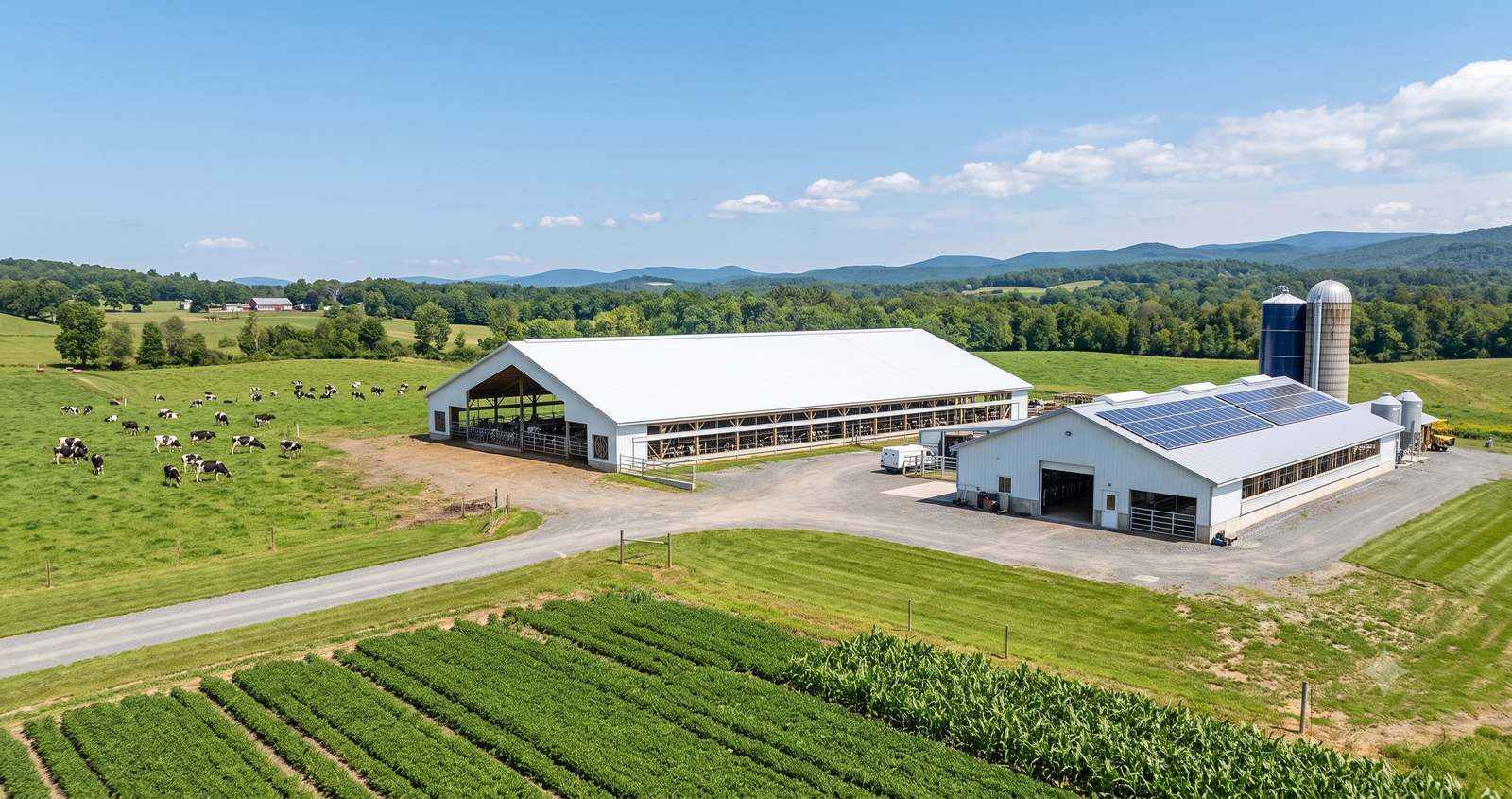
Dairy support areas
Photos that explain the dairy farming process
Each image supports a real part of dairy farming, from animal comfort to feed planning, clean milking, and milk handling.
A clean and calm farm setting helps cattle stay comfortable and supports steady milk production.
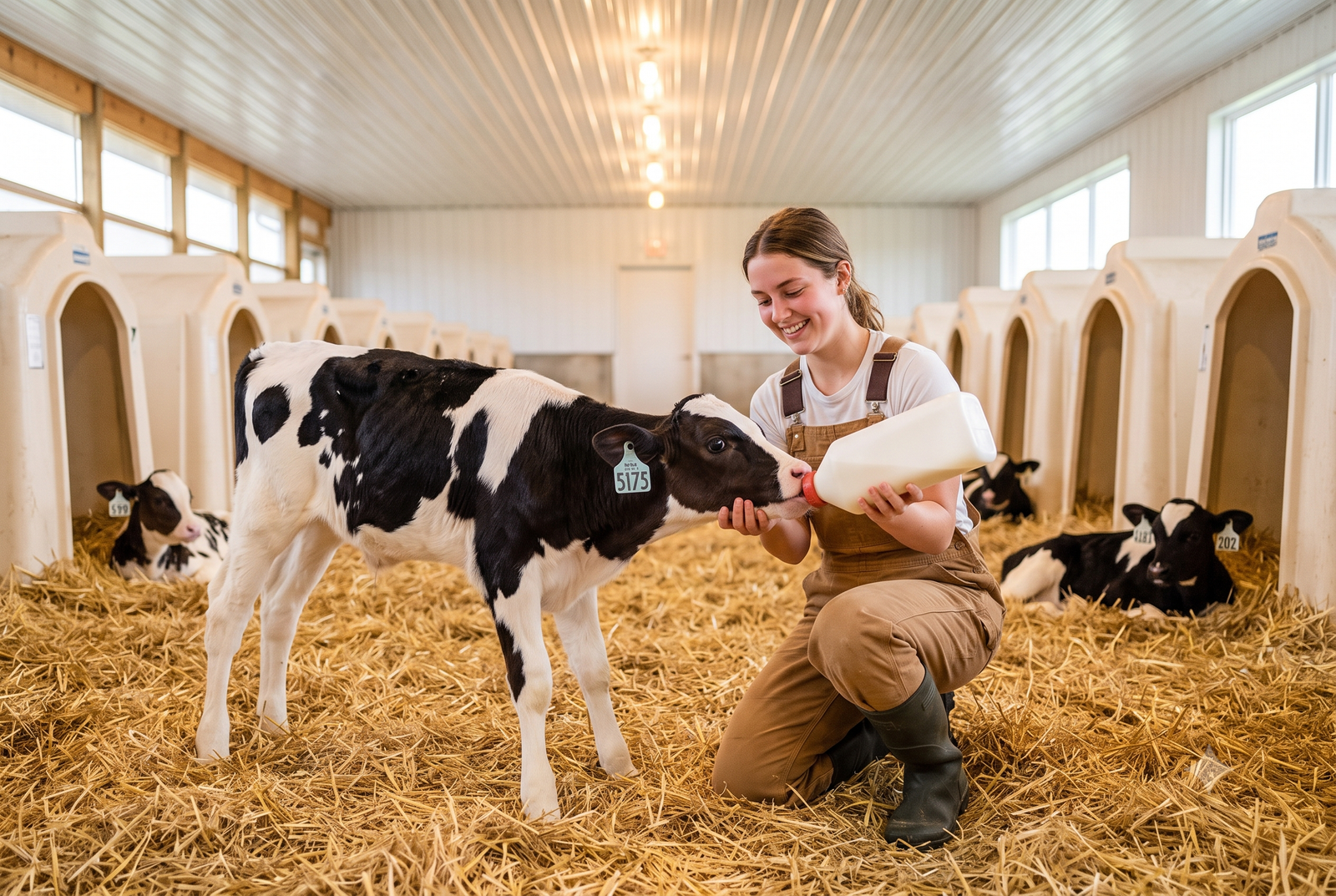
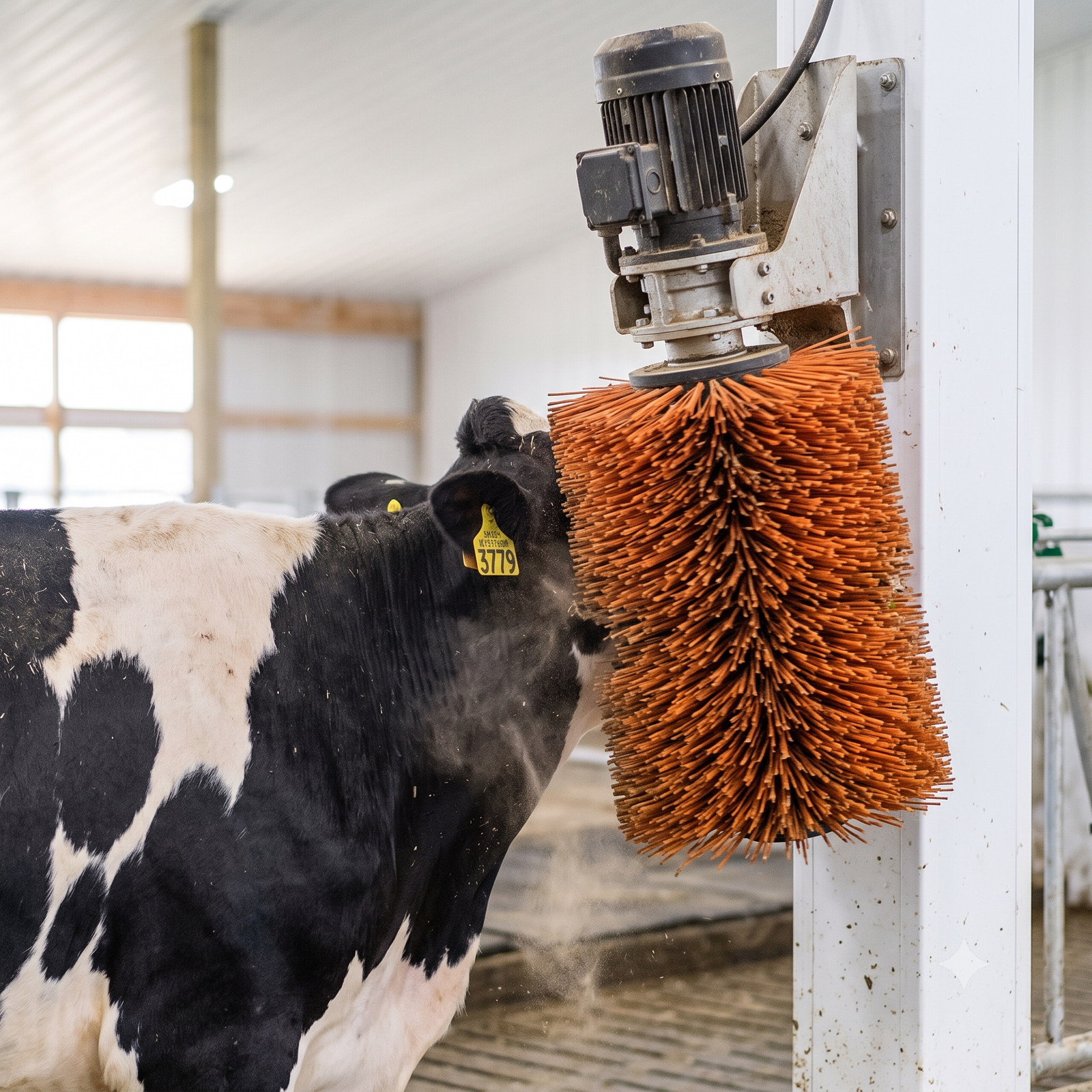
Good ventilation, dry floors, and regular cleaning reduce stress and protect animal health.
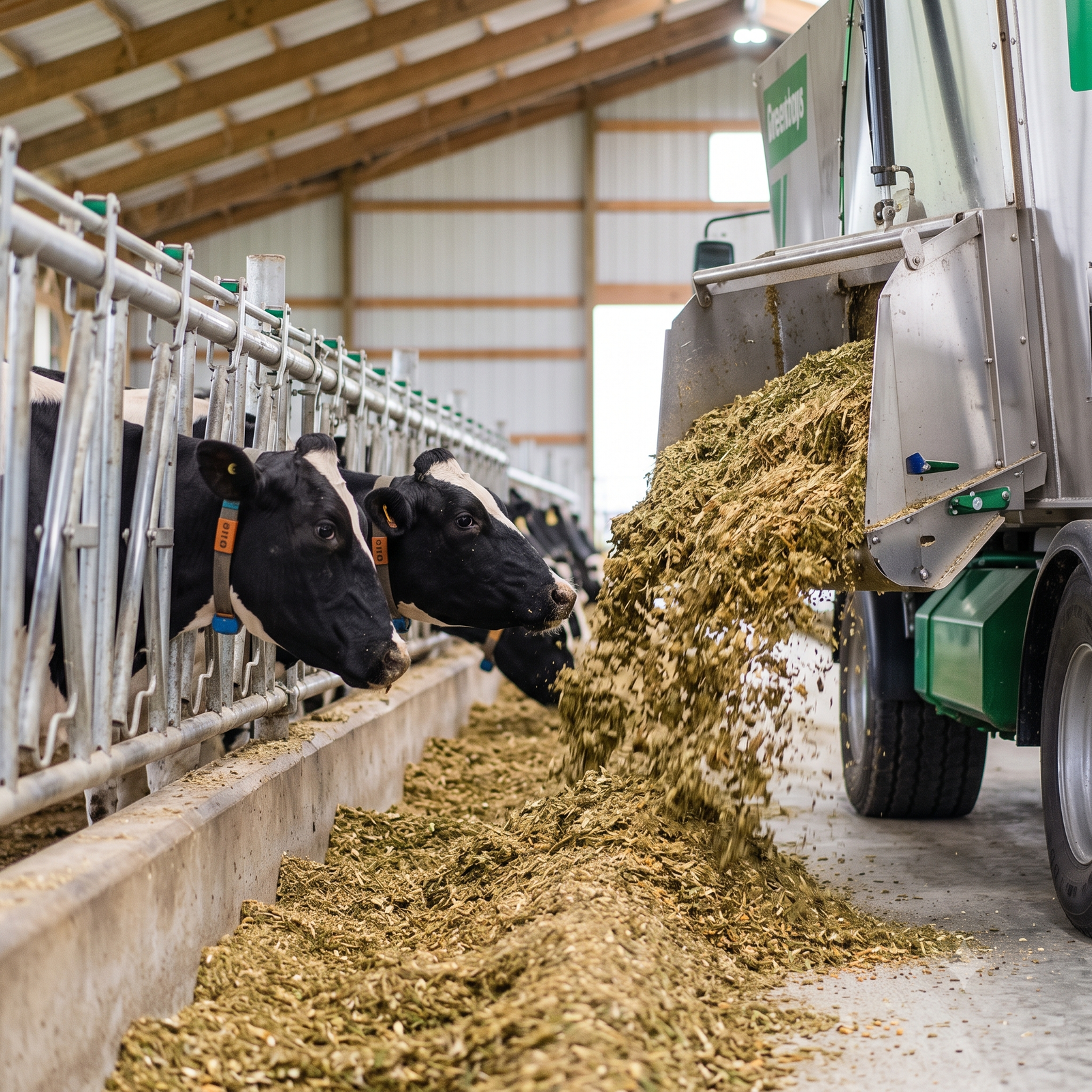
Balanced fodder, mineral mix, and clean water keep the herd strong through the milking cycle.
Before milking, the area, utensils, and animals should be cleaned to maintain milk hygiene.
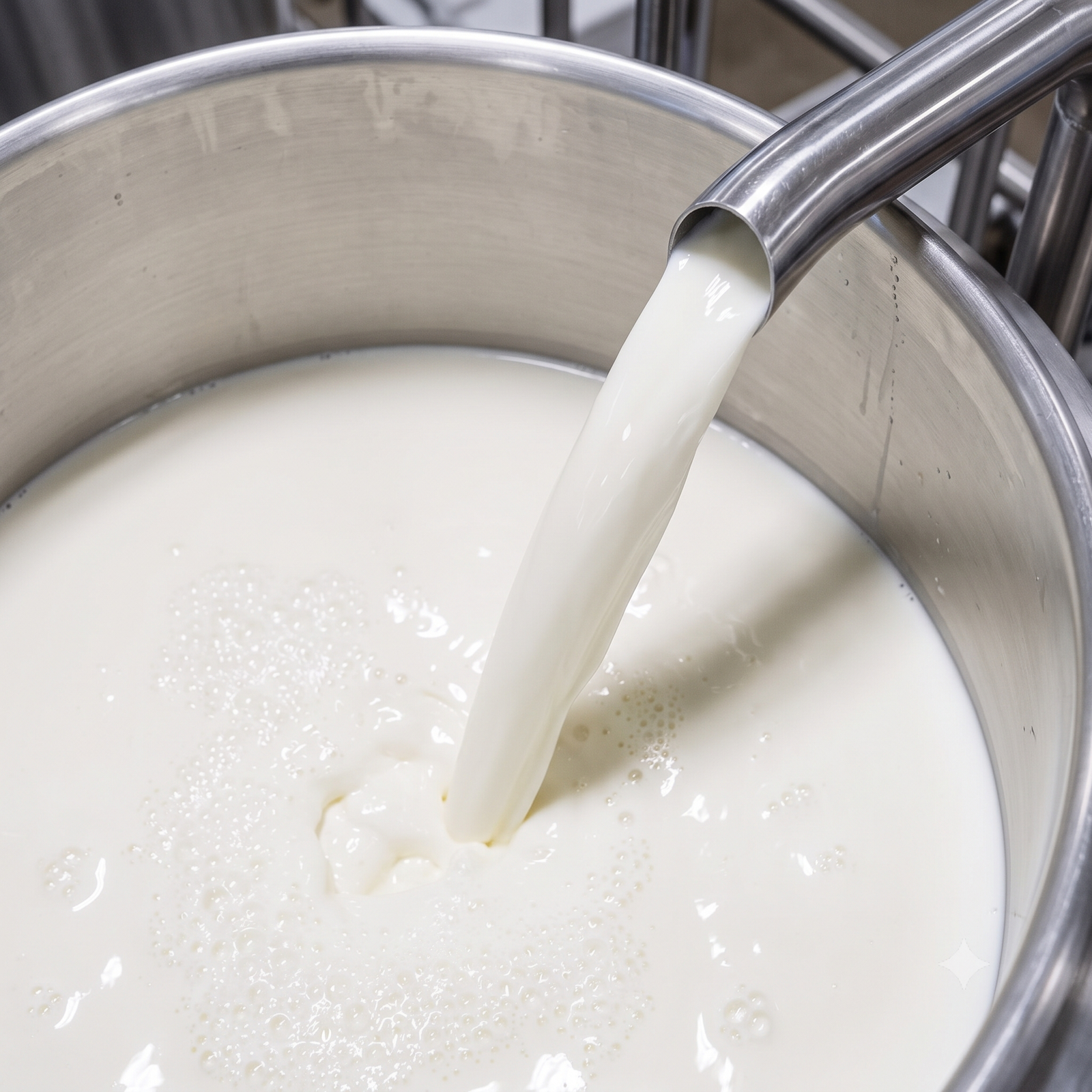
Fresh milk should be filtered, transferred carefully, and protected from contamination.
Quick chilling and clean containers help maintain freshness until the milk reaches buyers.
Farm layout
Dairy zones visitors should understand
A dairy page becomes more credible when it explains the physical areas of the farm and how each one protects animal comfort and milk quality.
Cattle shed
Ventilation, dry bedding, slope for drainage, clean flooring, and enough resting space for the herd.
Feed and water area
Fodder storage, mineral mix, clean water access, and separate planning for lactating animals.
Milking and chilling area
Washed equipment, filtering, stainless handling, cold storage, and timely dispatch after milking.
Dairy project enquiry
Plan a dairy unit with the right shed, feed, milking, and chilling flow.
Use the contact page to discuss cattle capacity, land, shed layout, equipment, and milk handling requirements.